Skip to content

Fracture Simulator

Hydraulic Fracture Propagation Modelling

Model hydraulic fracture propagation and fluid flow for conventional and unconventional reservoirs — on one unified reservoir and geomechanical grid

Model Fracture Propagation and Fluid Flow in One Environment

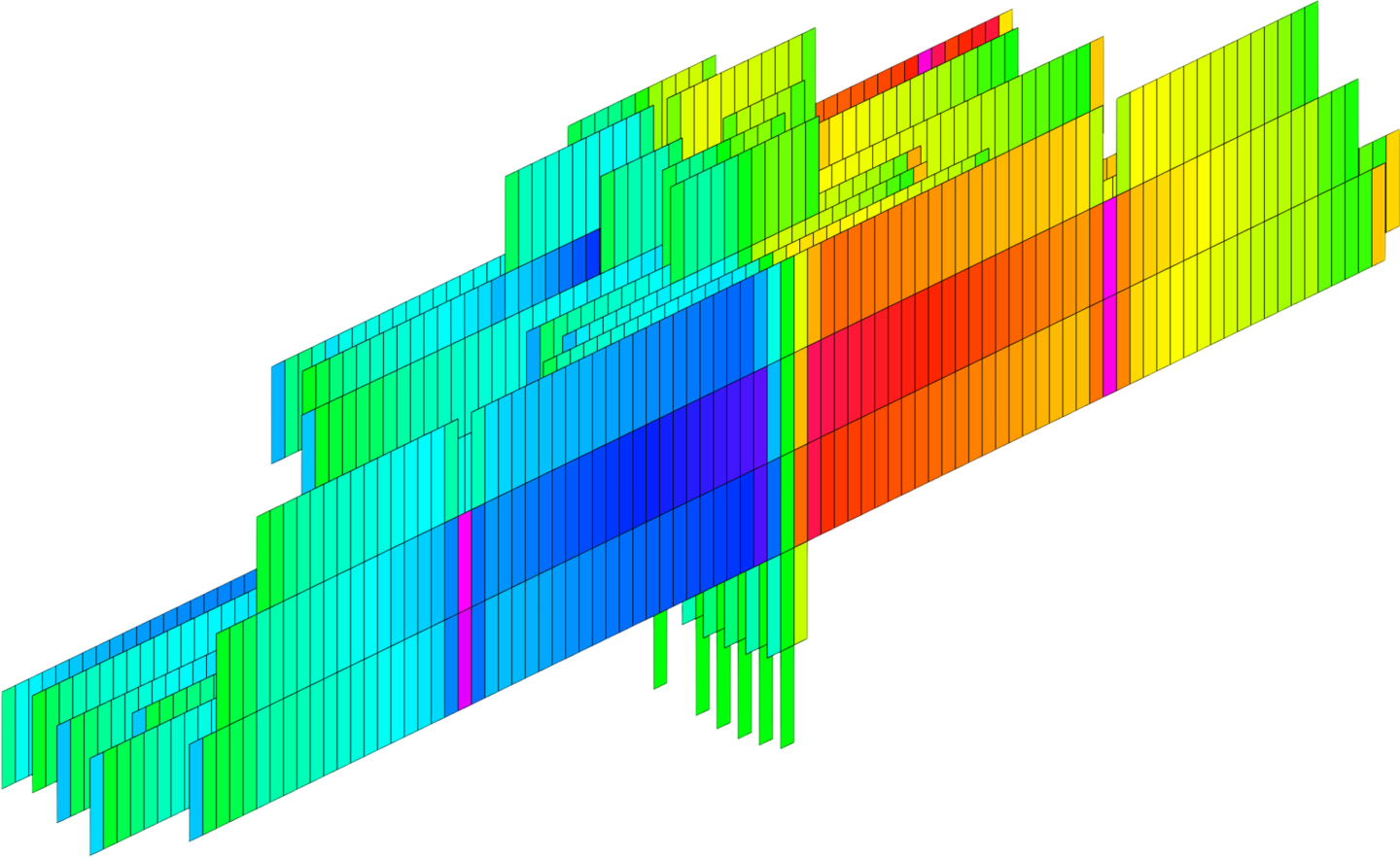
tNavigator’s Fracture Simulator models hydraulic fracture propagation and the resulting fluid flow for conventional and unconventional reservoirs, combining reservoir and geomechanical data within a single modelling environment. It helps engineers plan, place and evaluate fractures with confidence – from a single well to a full multi-stage completion.

One Grid for Reservoir and Geomechanical Data

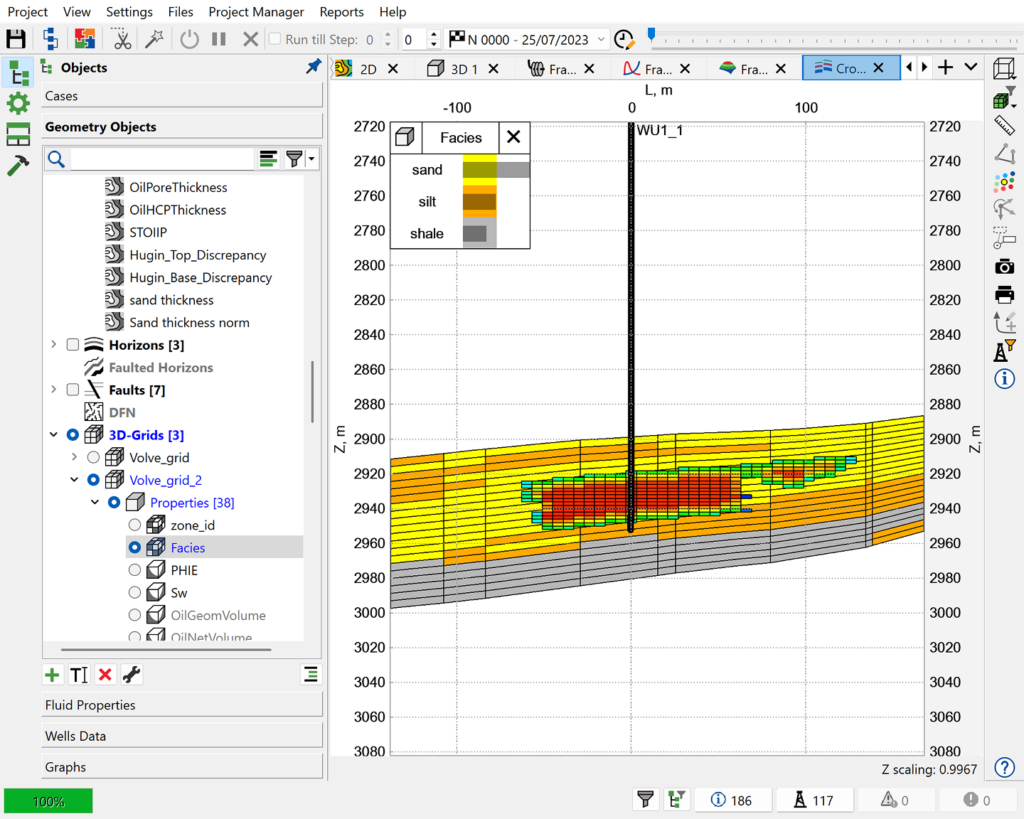
Fracture Simulator brings reservoir and geomechanical modelling onto a single, unified grid – removing the need to reconcile separate models and reducing the risk of inconsistency between fracture design and reservoir performance.


Unified Grid Integration

Combine reservoir and geomechanical data within a single modelling environment, reducing complexity and removing a common source of design error.

Flexible Well & Frac Placement

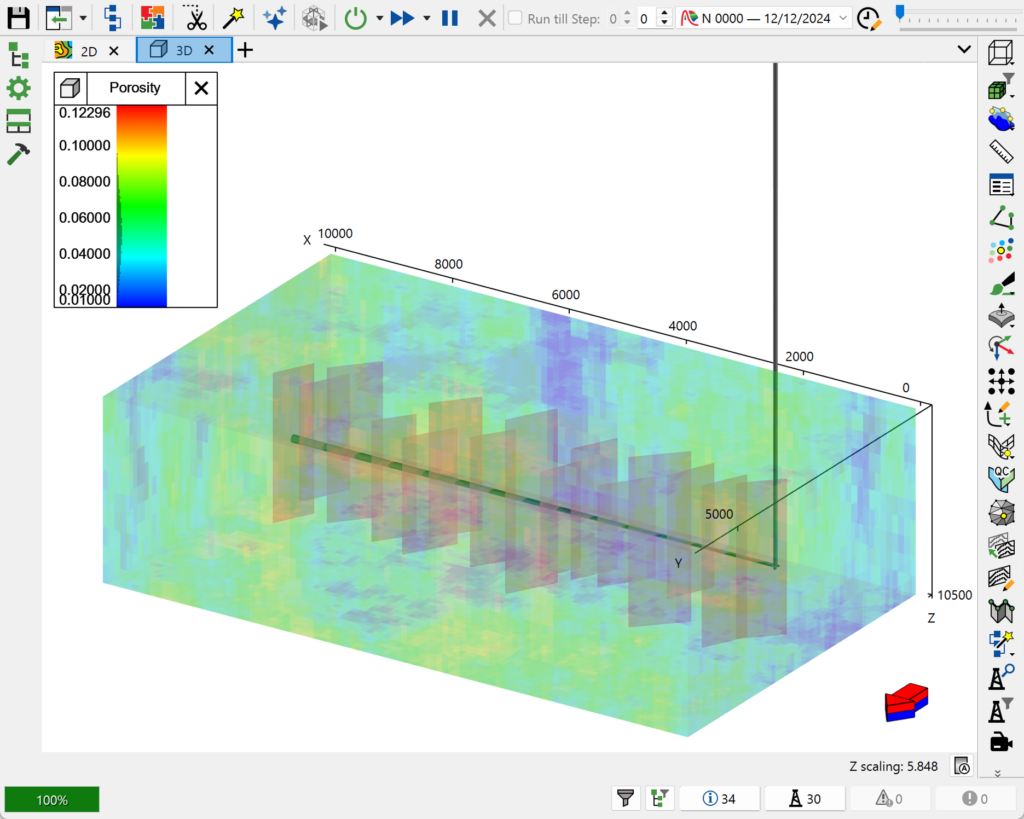
Move wells and fractures independently of one another, streamlining design in both unconventional and conventional plays.

Automated Workflows & Optimisation

Apply powerful optimisation techniques to fracture placement and design for more efficient planning and more robust decision-making.
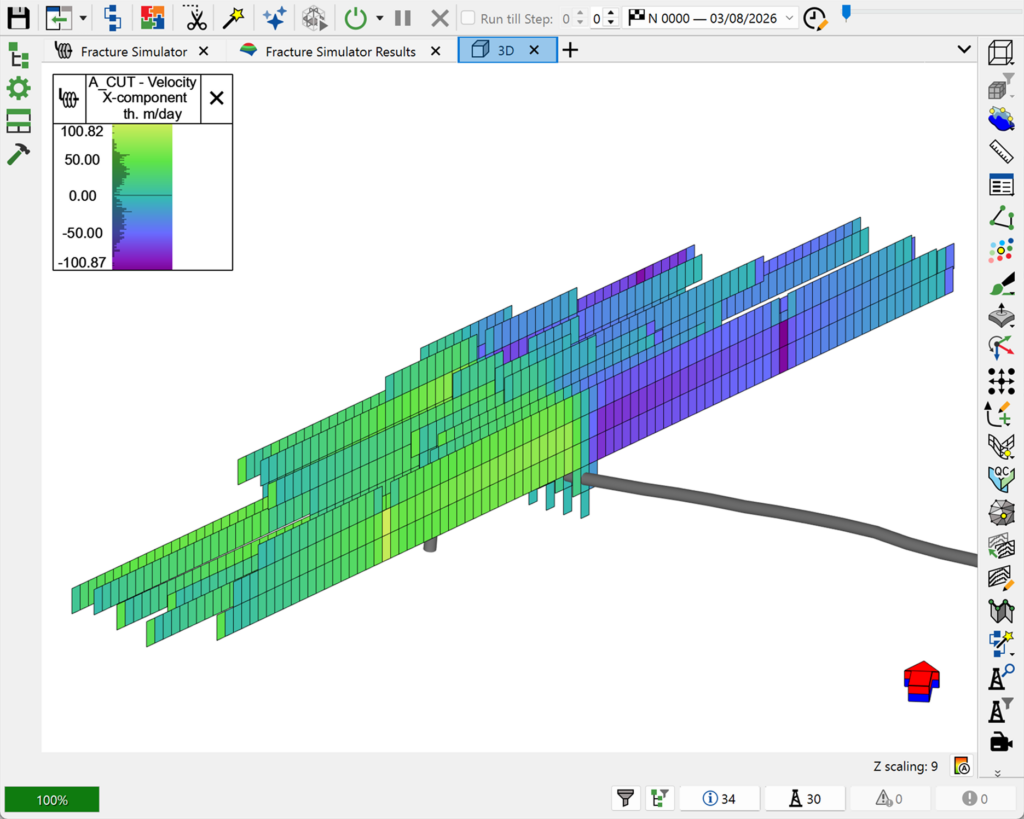
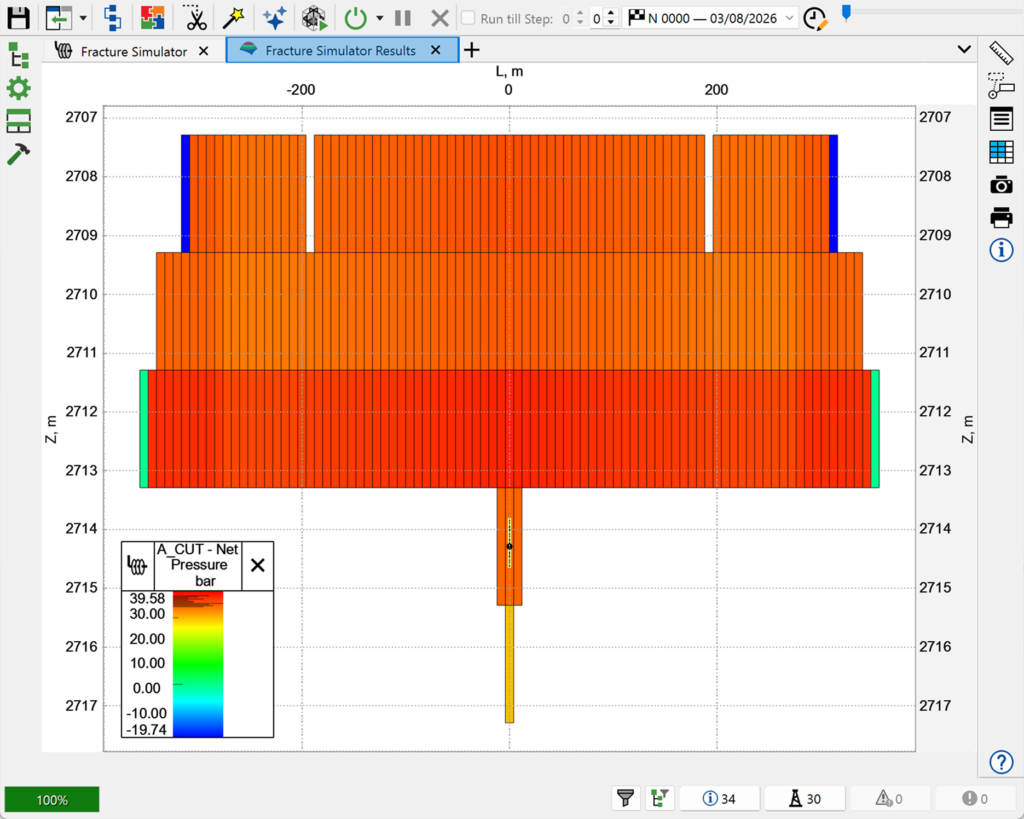
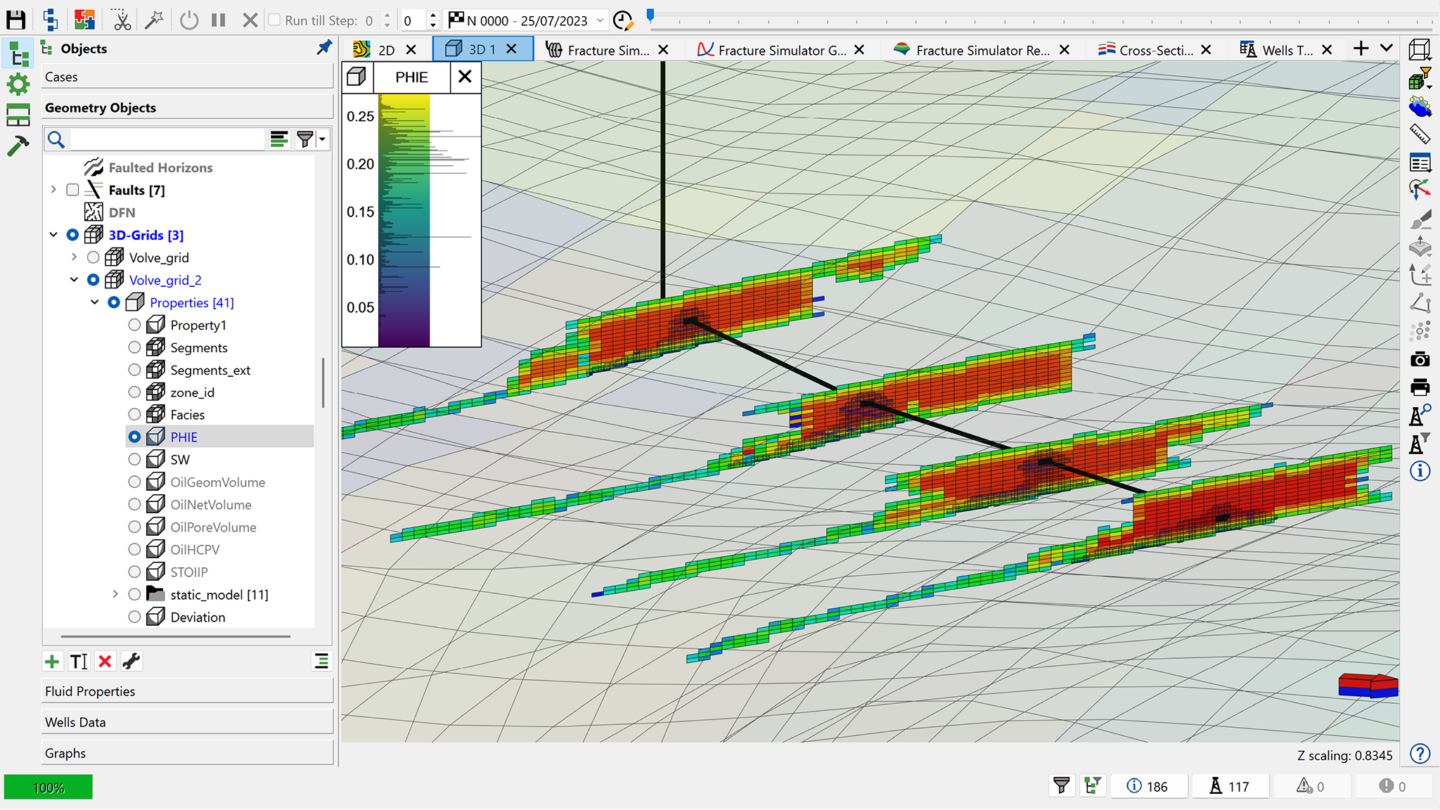
Fracture Simulator supports a full range of hydraulic fracturing workflows:

  • Fully coupled fracture propagation – solve the viscous fluid-flow equation together with the elasticity equations to calculate stress and predict fracture growth.
  • Rock failure criteria – apply Mohr-Coulomb, Hoek-Brown and other criteria to define where and how a fracture will propagate.
  • Flexible well & frac placement – move wells and fractures independently, streamlining design across unconventional and conventional plays.
  • Multi-stage fracture & proppant modelling – define fracture stages, proppant volume and stimulated width along the well trajectory.
  • XYZ fracture modelling – model complex fracture geometries using virtual connections, without local grid refinement.
  • Automated workflows & optimisation – apply optimisation techniques to fracture placement and design for more efficient completions.
  • Integration with history matching – calibrate fracture models against real production data.

Fracture Simulator is fully integrated within the tNavigator platform:

  • Runs on the same fully coupled stress and failure-criteria engine as Geomechanics.
  • Uses grids and structural data from Geology Designer and Mining Designer.
  • Connects to Model Designer and Well Designer for post-frac production forecasting.
  • Supports AHM & Uncertainty workflows to calibrate designs against real production data.

Common Use Cases

  • Multi-stage hydraulic fracture design for unconventional wells
  • Fracture placement optimisation in conventional reservoirs
  • Evaluating proppant volume and stimulated fracture width
  • Assessing fracture impact on long-term production
  • Calibrating fracture models against production history